
Japandi Interior Design in Singapore: A Practical Guide (2026)
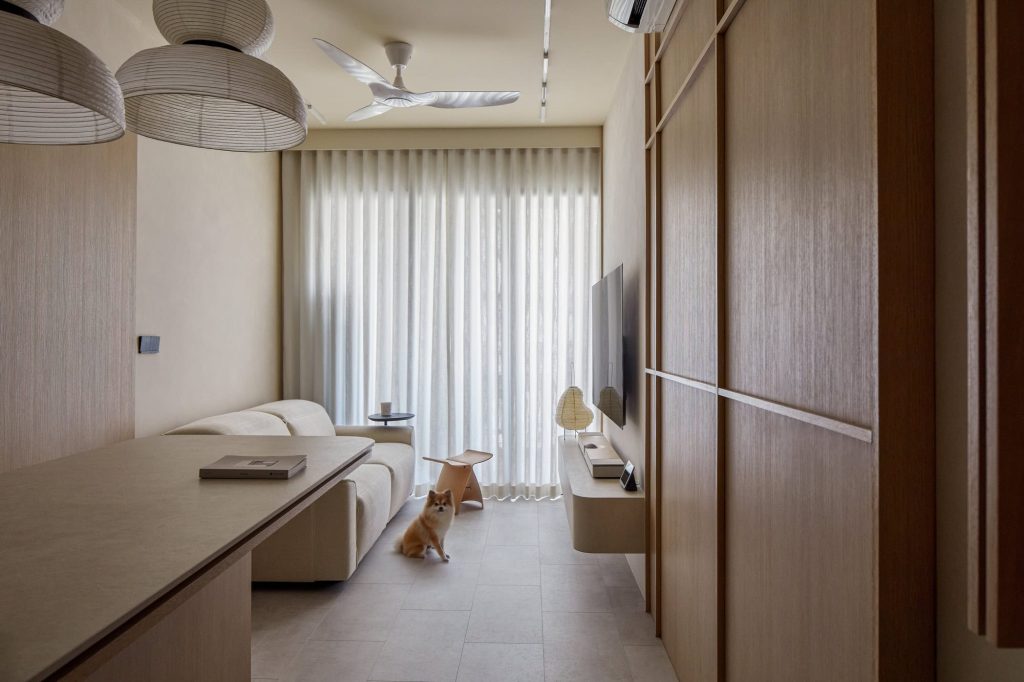
Japandi interior design blends Japanese minimalism with Scandinavian warmth — pale and mid-tone woods, warm neutrals, low-profile furniture and a lot of restraint. It has become one of the most requested styles for Singapore homes because it suits our light, our compact floor plans and our humidity better than almost any imported look.
This guide covers what Japandi actually is, how it differs from Scandinavian, Muji and wabi-sabi styles, what it costs to achieve, and how it translates to real Singapore homes — including our completed Japandi projects at The Garden Residences and Eunos Court.
What is Japandi interior design?
Japandi is the meeting point of two philosophies: Japanese wabi-sabi (beauty in simplicity and imperfection) and Scandinavian hygge (warmth, comfort, togetherness). In practice it means uncluttered spaces with visible natural materials — oak, ash, walnut, stone, linen, paper — a warm neutral palette, and a small number of well-made objects instead of many decorative ones.
What separates good Japandi from a beige showroom is intention. Every visible surface matters because there's so little else in the room; the carpentry effectively is the design. Done well it reads calm and quietly luxurious. Done cheaply it just reads bare.
Japandi vs Scandinavian vs Muji vs wabi-sabi: what's the difference?
They share DNA but differ in temperature and formality — Scandinavian is the brightest and most casual, wabi-sabi the most textural and austere, with Japandi and Muji in between.
| Style | Palette | Signature | Feels like |
|---|---|---|---|
| Japandi | Warm neutrals + mid-tone wood, black accents | Low furniture, craft detail, negative space | Calm, composed, quietly premium |
| Scandinavian | White base + pale wood, soft pastels | Bright, airy, casual textiles | Light, friendly, family-easy |
| Muji | Pale oak + white, minimal contrast | Modular storage, uniform joinery | Orderly, functional, unshowy |
| Wabi-sabi | Earth tones, clay, limewash | Raw texture, aged and handmade surfaces | Organic, meditative, sculptural |
If you're weighing the brighter end of this family, our Scandinavian interior design guide covers that style on its own terms.
Why does Japandi work so well in Singapore homes?
Because it solves three local problems at once: compact layouts, harsh tropical light and humidity-driven material choices. The restraint keeps small floor plans breathing — a Japandi living room holds a sofa, one table and air, which visually enlarges an 85 sqm condo. Warm neutrals soften the hard midday light that makes stark white interiors glare. And the style's laminates-done-well approach suits our climate: wood-tone laminates and engineered surfaces deliver the look without solid timber's humidity problems.
At The Garden Residences, the whole scheme runs on pale timber joinery and warm whites; at Eunos Court we took the same language into a resale HDB flat — proof the style scales across property types and budgets. If you are still choosing between flat types, our BTO vs resale renovation comparison runs the numbers.
What are the key elements of a Japandi home?
Five elements do most of the work:
- Wood as the main event: pale oak or ash for brightness, or mid walnut for depth — consistent across joinery, not mixed randomly
- A warm neutral base: oat, bone and greige walls in matte finishes; never glossy white
- Low, horizontal furniture: platform beds, low sofas, floating consoles that keep sightlines open
- Texture instead of decoration: linen drapes, limewash or textured plaster on one wall, paper or fabric lampshades
- Black in small doses: a tap, a frame, a light fitting — punctuation, not a theme
What to leave out matters as much: no gallery walls of small frames, no open shelves of clutter, one sculptural plant rather than a jungle.
How much does a Japandi renovation cost?
Expect a mid-to-upper carpentry budget: Japandi concentrates spend in joinery and surface finishes, so a 4-room flat or three-bed condo typically lands in the S$45,000–80,000 band rather than the bottom of the market. The style has little decoration to hide behind, so cabinetry alignment, laminate quality and lighting temperature (2700–3000K, always) carry the result. Where you can save: loose furniture and decor, which Japandi needs less of than almost any other style.
How do you get Japandi right the first time?
Fix the wood tone first, then the wall colour, then resist additions. The practical order we use on projects:
- Choose one primary wood tone and carry it through every built-in
- Pick wall colours against that wood in your unit's actual daylight — not in a showroom
- Plan concealed and cove lighting at design stage; Japandi dies under a single ceiling downlight
- Buy fewer, better loose pieces; the style forgives an empty corner and punishes a crowded one
You can browse every completed project in this style on our Japandi projects page, or start a conversation through our condo interior design service if you want the look mapped to your own floor plan.
The bottom line
Japandi earns its popularity: it's calm without being cold, minimal without being empty, and unusually well suited to Singapore's light and layouts. Budget for good carpentry, hold the palette discipline, and the result is a home that will still look right in ten years — which is rather the point.
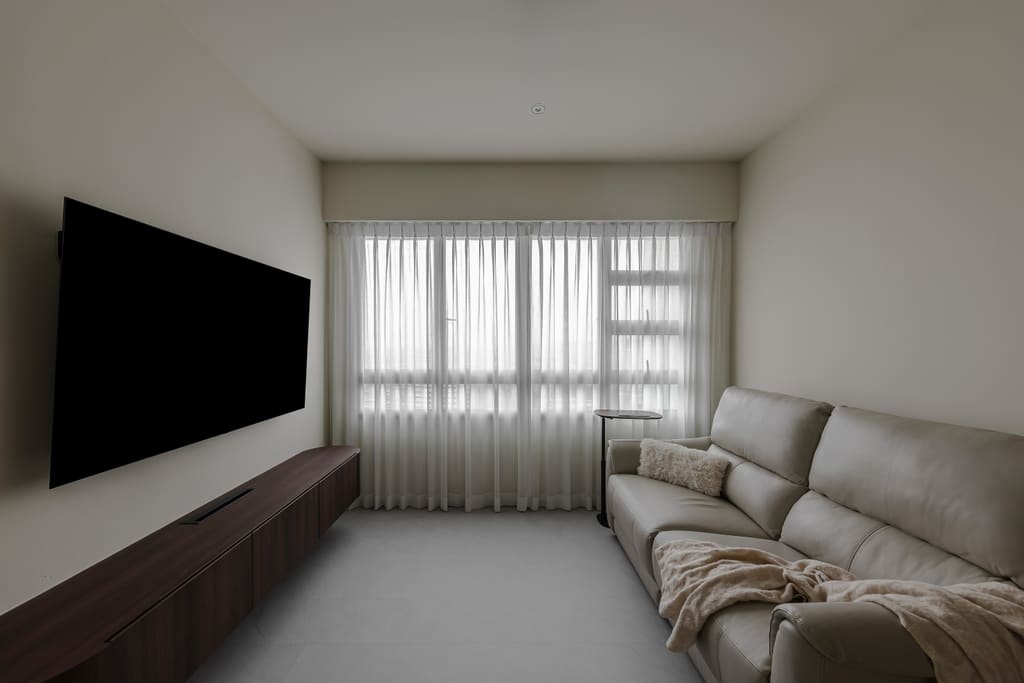
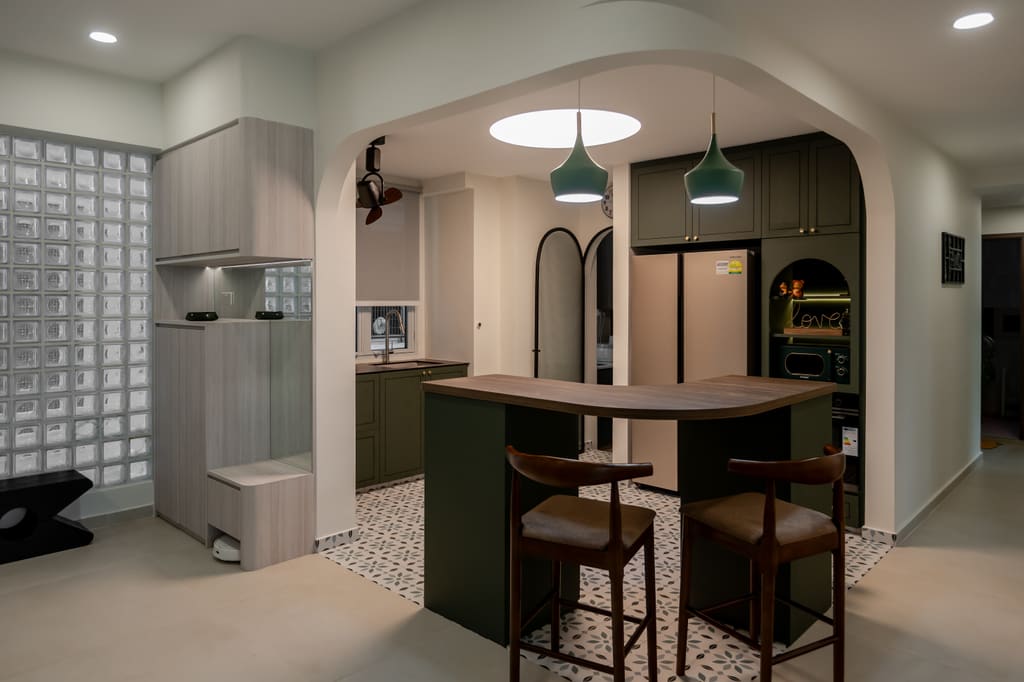
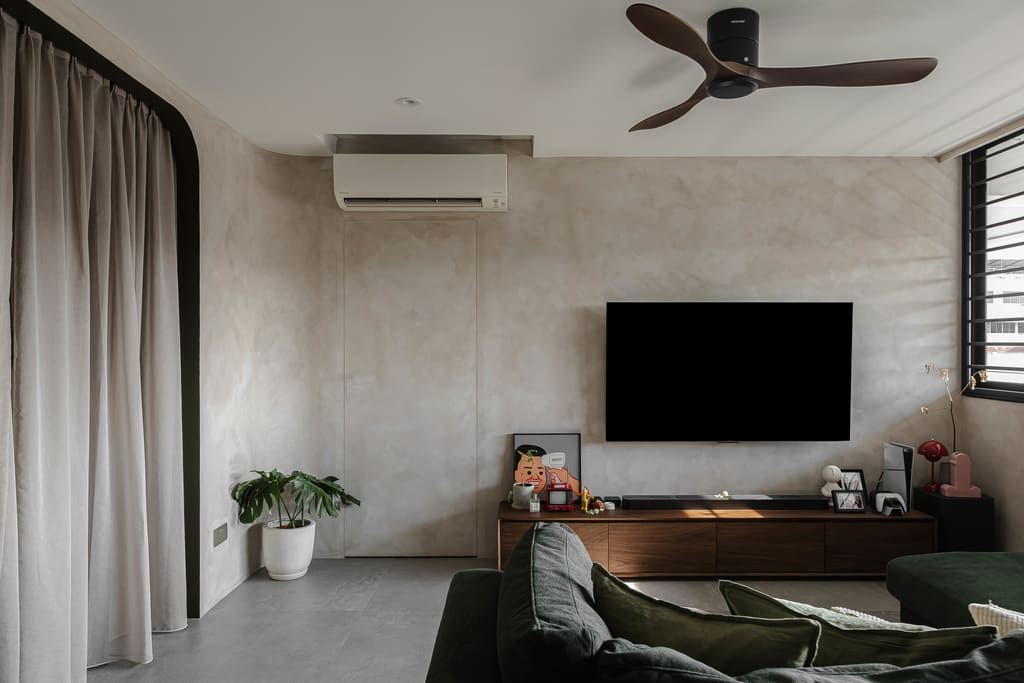
Ready to design your home?
Our design team will get back to you within 24 hours with a tailored proposal.